tooth resorption cats prognosis
External resorption can be misdiagnosed. Gingivitis appears as a bright red section of the gums Vomiting.

Feline Tooth Resorption Today S Veterinary Practice
If cat tooth resorption is left untreated for a period of time the crown can break and cause tooth loss.

. Feline tooth resorption usually has five stages. Tooth resorption in cats unfortunately often goes undiagnosed. Symptoms of Tooth Resorption in Cats.
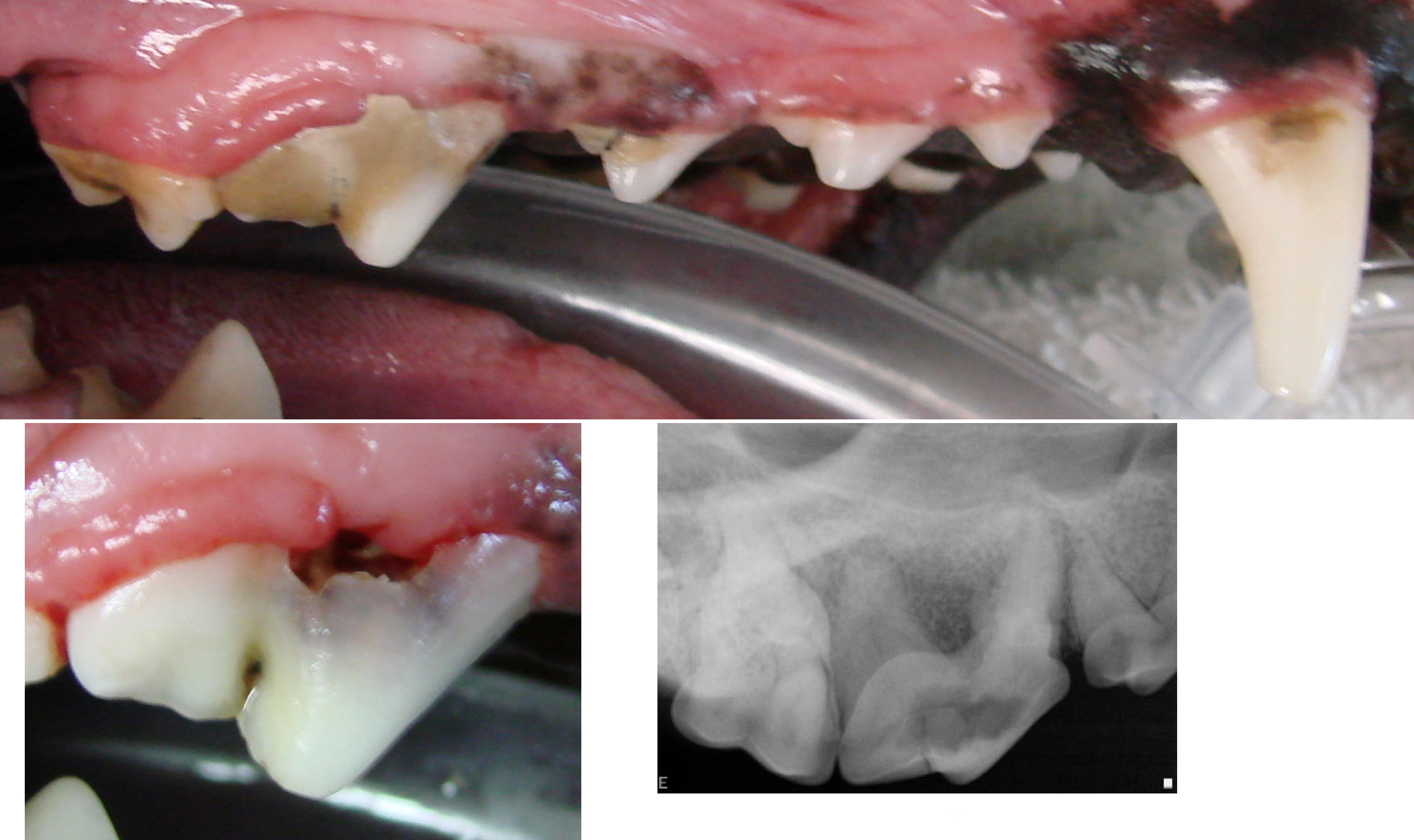
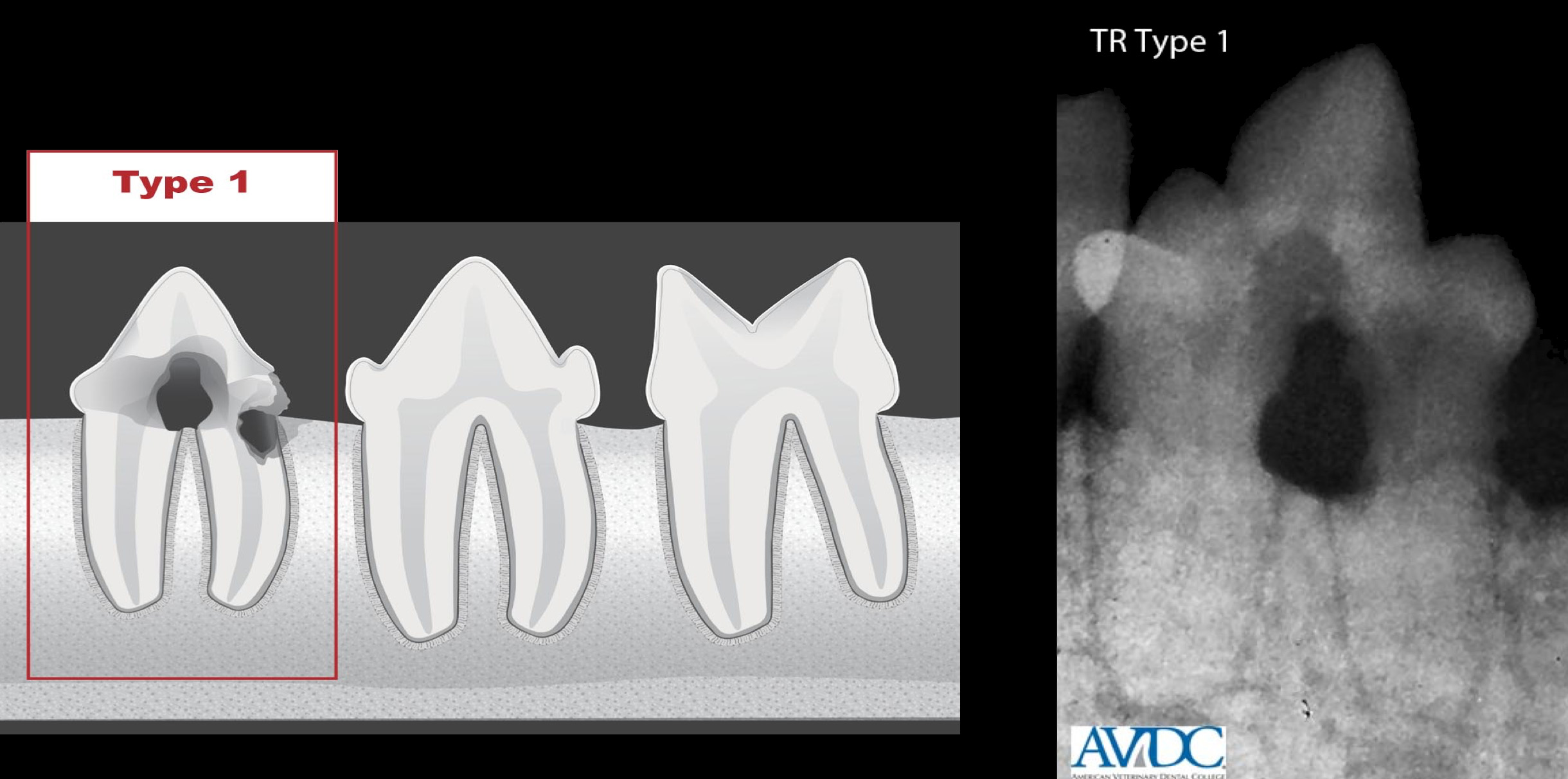
The cause of tooth resorption is currently unknown but the condition seems to develop when a cell within the tooth called an odontoclast is activated and removes calcium from within the. Over time all parts of affected teeth become involved and worn down. Five stages of tooth resorption are recognized in cats.
Feline Tooth Resorption Tooth resorption is when the dentin the hard tissue beneath a tooths enamel of a single tooth or multiple teeth erodes left untreated it can cause irreparable damage. A second opinion may be necessary. Tooth resorption TR occurs when the hard tissue under the tooth enamel called dentin wears down and is eventually destroyed.
More than 50 of cats over 3 years of age will be affected by TR. If left untreated this disease can result in other oral problems pain infections and problems in other parts of the body. What Are the Stages of Tooth Resorption in Cats.
Drooling Having difficulty chewing Dropping food while chewing Chattering the. Find details on Odontoclastic tooth resorption resorptive lesions in cats including diagnosis and symptoms pathogenesis prevention treatment prognosis. Feline tooth resorption is a fairly common dental disease affecting up to 60 percent of all adult cats.
Chewing with only one side of the mouth. Routine radiography is required for timely diagnosis. Periodontal disease oral neoplasia particularly squamous cell carcinoma feline stomatitis and tooth resorption.
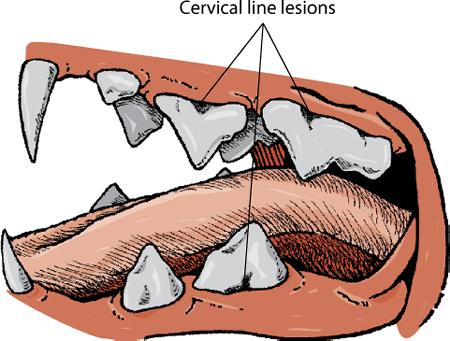
The lesions are small and close to the base of the. Females and cats over five years of age are more prone to tooth resorption. Cats with resorptive lesions may show pain when their jaws are touched and may also have increased salivation or oral bleeding.
This painful condition is believed to affect more than 65 of cats during their lifetime. Today our Walnut Creek vets share the symptoms of Tooth resorption in cats and how it is treated. Dale Kressin DVM DAVDC of Animal Dentistry and Oral Surgery Specialists LLC.
Feline tooth resorption is a common painful condition in domestic cats. Without treatment a cat is in extreme pain may stop eating become very ill. Feline immunodeficiency virus and stress on the teeth due to poor dental alignment can also trigger tooth resorption in some cats.
It also contains an inner canal filled with nerves blood vessels and lymphatic vessels. In fact its one of the most common oral conditions seen in cats. Over time all areas of an affected tooth may become involved and tooth resorption is very painful for your cat.
Feline tooth resorption may show no visible signs other than gingivitis gum inflammation in its early stages although you may also notice signs of blood in your cats water or food bowl. Some radiographic evidence is detectable such as a change in the dentin. Tooth Resorption in Cats.
Cats with clinically missing teeth have also been found to be more likely to have tooth resorption. How is Tooth Resorption. Kressin will diagnose and treat.
Certain breeds of cats like Siamese Persians and Abyssinians appear to be more susceptible to the disease but again any cat can develop these lesions. Resorptive lesions that have eroded through the enamel may be very painful. The most common dental disease in domestic cats is a destructive process called tooth resorption.
Root canal therapy may help treat internal resorption but if there is a large defect the tooth may break apart and fail to function. Symptoms of tooth resorption Feline. Over 50 of adult cats develop tooth resorption.
This problem is the most common oral disease found in cats affecting up to 60 percent of domestic felines. Tooth resorption in cats unfortunately often goes undiagnosed. Tooth resorption can be difficult to detect with cats often masking signs of oral discomfort or pain.
Dropping food from the mouth. All types of teeth in the feline dentition may be affected but lesions seem to be more common in certain teeth. However once a significant amount of erosion of the tooth develops and is visible the condition will usually then result in pain.
All cats can develop feline tooth resorption. What cats are at risk of tooth resorption. Cats with oral pain may appear irritable or aggressive have a change in appetite or food preference and may have difficulty chewing and eating food falls from their mouth.
Because cats instinctively hide their pain as a survival method and are often not keen on having their mouths handled it can be difficult to detect whether your cat is experiencing pain from resorptive lesions that have developed on her teeth. The resorption is usually progressive but even extensive cases can sometimes be reversed. Full mouth veterinary dental radiographs are needed for both diagnosis and treatment.
They start as small erosions in the dental enamel and progress both in size and depth. Oral disease in cats comprises four major conditions. As the disease progresses the symptoms your cat may show include difficulty in eating dribbling saliva face rubbing jaw chattering and weight loss.
Feline tooth resorption lesions are one of the top causes of tooth loss in cats. Stage 1 resorption presents with only mild clinical evidence of hard tissue loss and is rarely detected especially if the lesion is hidden behind soft tissue. Symptoms of tooth resorption in cats can range from.
Stage one is the earliest stage of damage. A cats tooth has an upper portion crown and a lower portion root. Initially cats with affected teeth may not show any symptoms at all.

External Tooth Resorption In Cats Part 2 Therapeutic Approaches Today S Veterinary Practice

Tooth Resorption In Dogs And Cats Vetbloom Blog
Tooth Resorption In Dogs And Cats Vetbloom Blog

External Tooth Resorption In Cats Part 2 Therapeutic Approaches Today S Veterinary Practice
Feline Tooth Resorption How To Help Your Cat Firstvet

Periodontal Disease In Cats Semantic Scholar

Feline Tooth Resorption Today S Veterinary Practice

Juvenile Gingivitis Periodontitis Advanced Animal Dentistry
Tooth Resorption In Dogs And Cats Vetbloom Blog
Dental Disorders Of Cats Cat Owners Msd Veterinary Manual
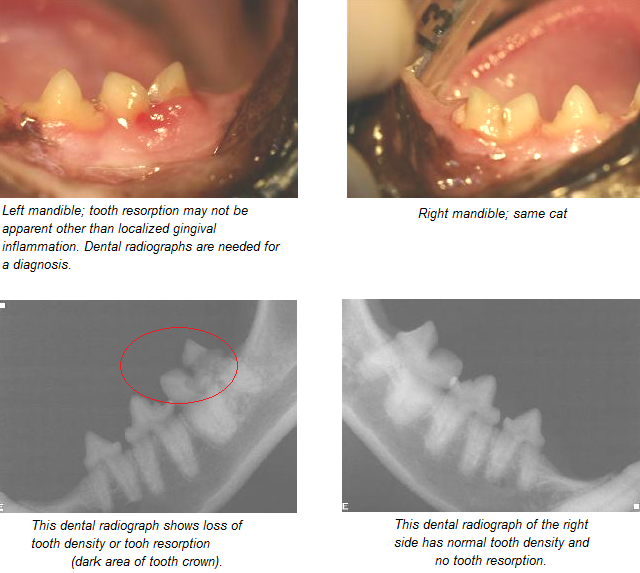
Resorptive Lesions Feline Healthy Paws Animal Hospital

External Tooth Resorption In Cats Part 2 Therapeutic Approaches Today S Veterinary Practice
Tooth Resorption Advanced Animal Dentistry

Dental Disease In Cats Treatment Lsqa Com Uy

Risk Assessment Of Feline Tooth Resorption A Portuguese Clinical Case Control Study Semantic Scholar

Feline Tooth Resorption Today S Veterinary Practice
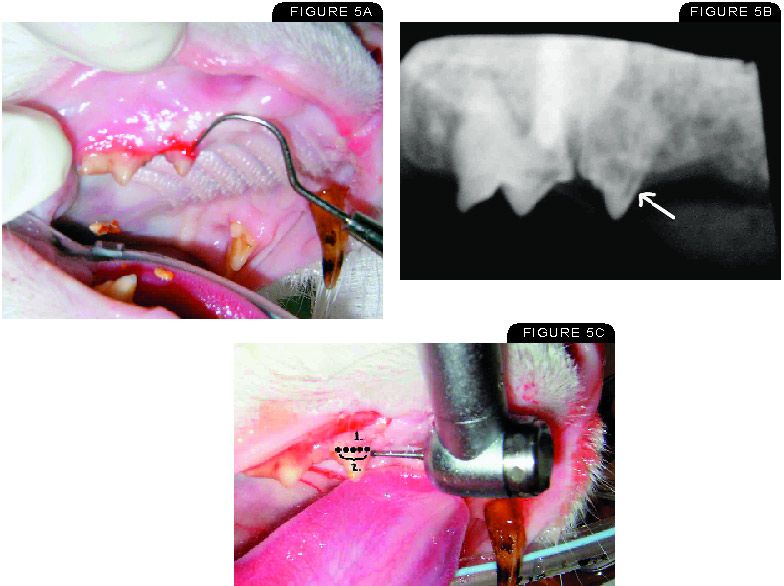
Dental Corner How To Detect And Treat Feline Odontoclastic Resorptive Lesions

Tooth Resorption In Cats Unfortunately Often Goes Undiagnosed
Feline Tooth Resorption A Guide For Cat Owners 1st Pet Veterinary Centers Az